Understanding how Yna Tap Garden works
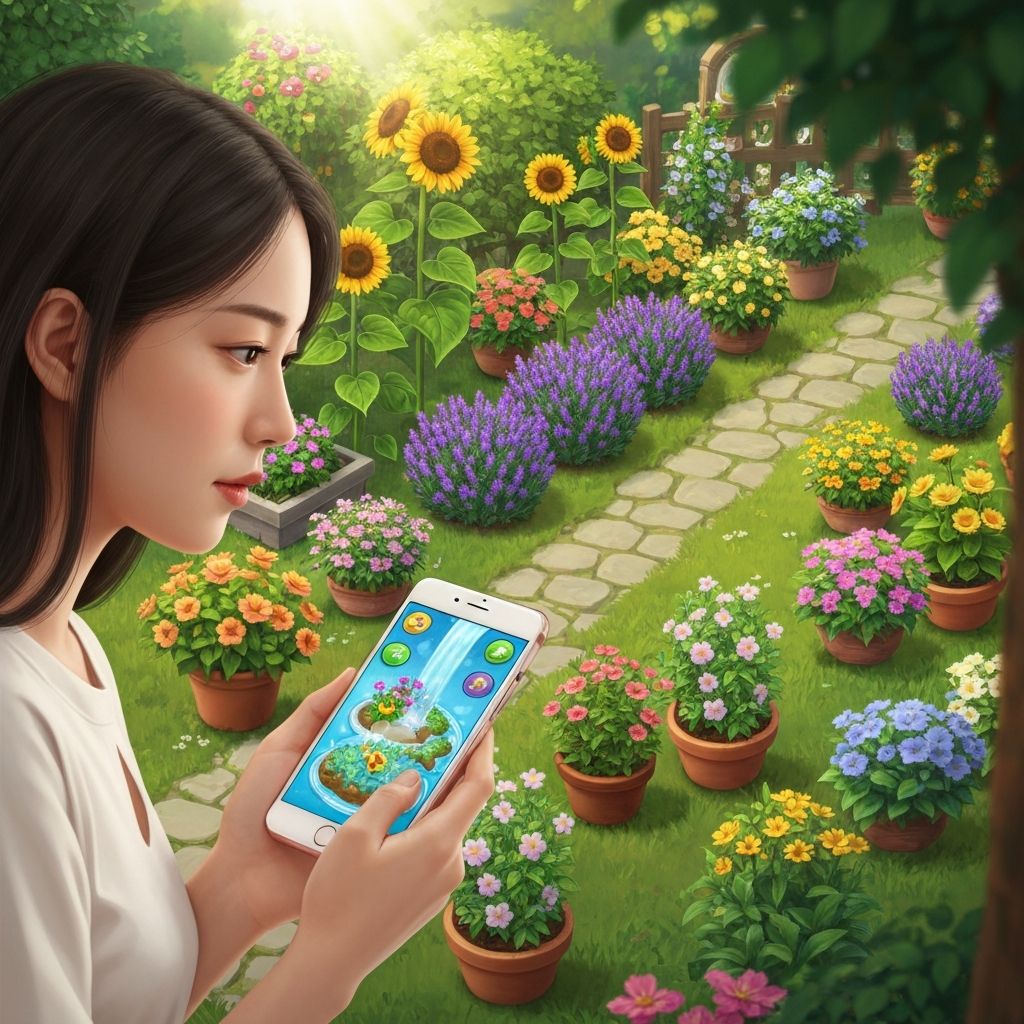
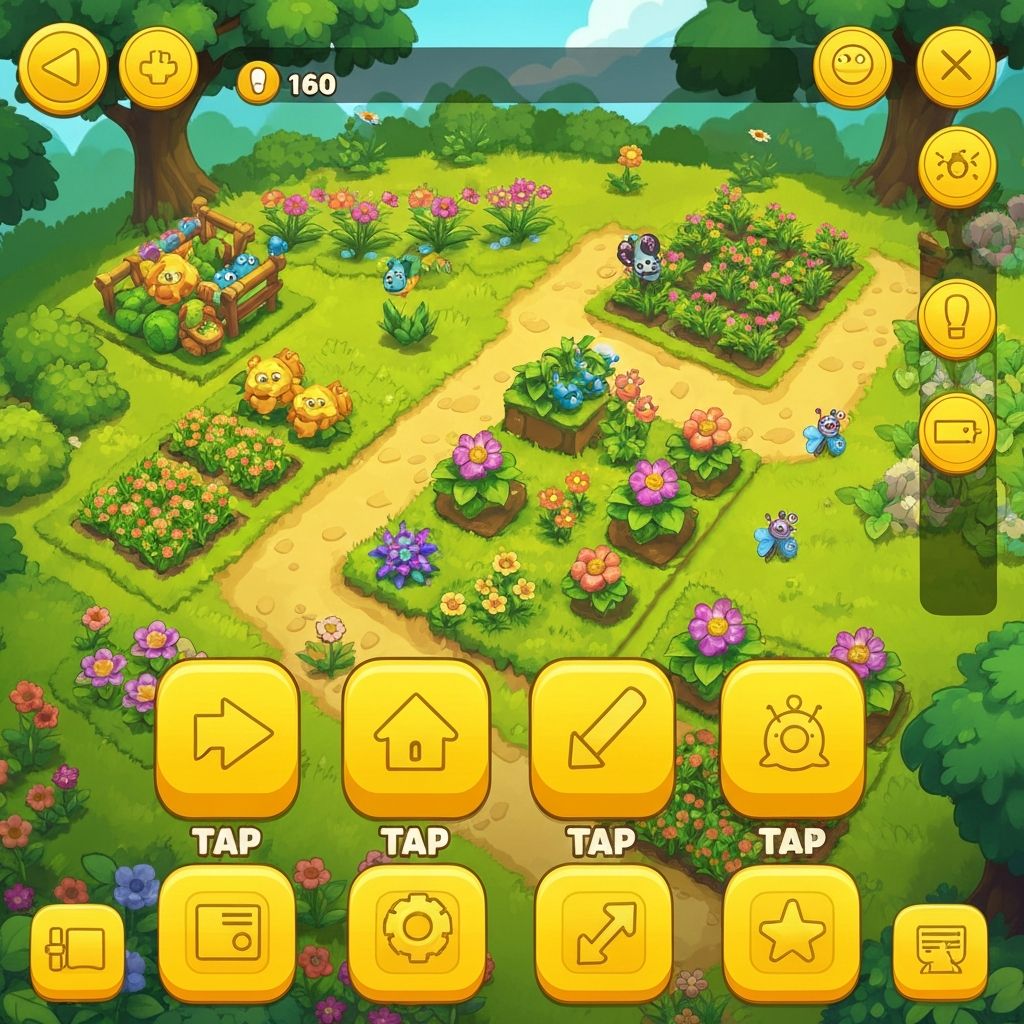
When players open Yna Tap Garden, they see a garden scene with various interactive elements. The screen displays plants, ground areas, sky backgrounds, and decorative objects.
Each element responds to touch input. Tapping on a plant might trigger a growth animation. Tapping on the ground might reveal new seedlings. Tapping on the sky might change the time of day or weather appearance.
The visual presentation remains clean and uncluttered. Most of the screen space shows the garden itself rather than interface elements or controls.
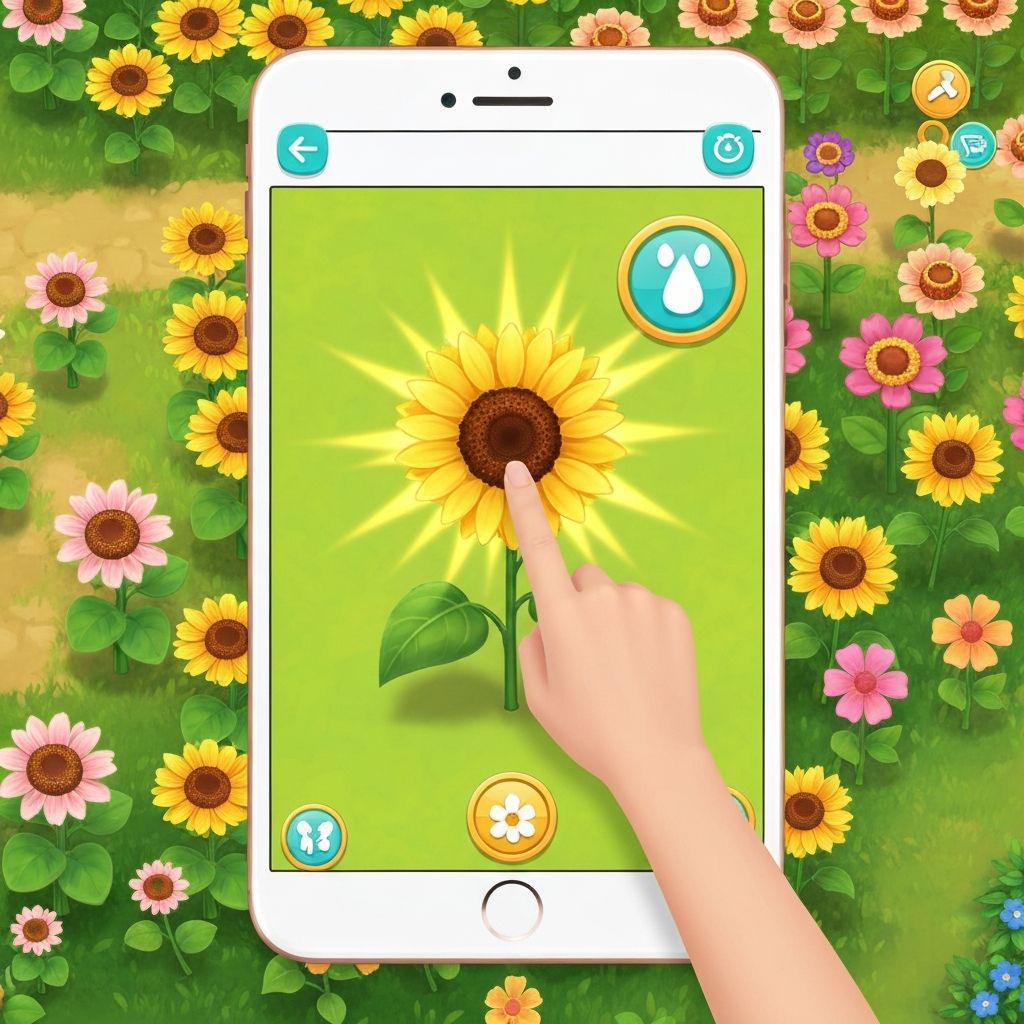
The primary action involves tapping on visible elements. Each tap produces immediate visual feedback through animation, color change, or appearance of new content.
Different elements respond differently, encouraging exploration of the entire screen.
After tapping, players watch the resulting animations and changes. Some effects are immediate, while others unfold over several seconds.
The observation phase is integral to the experience, not just a passive wait period.
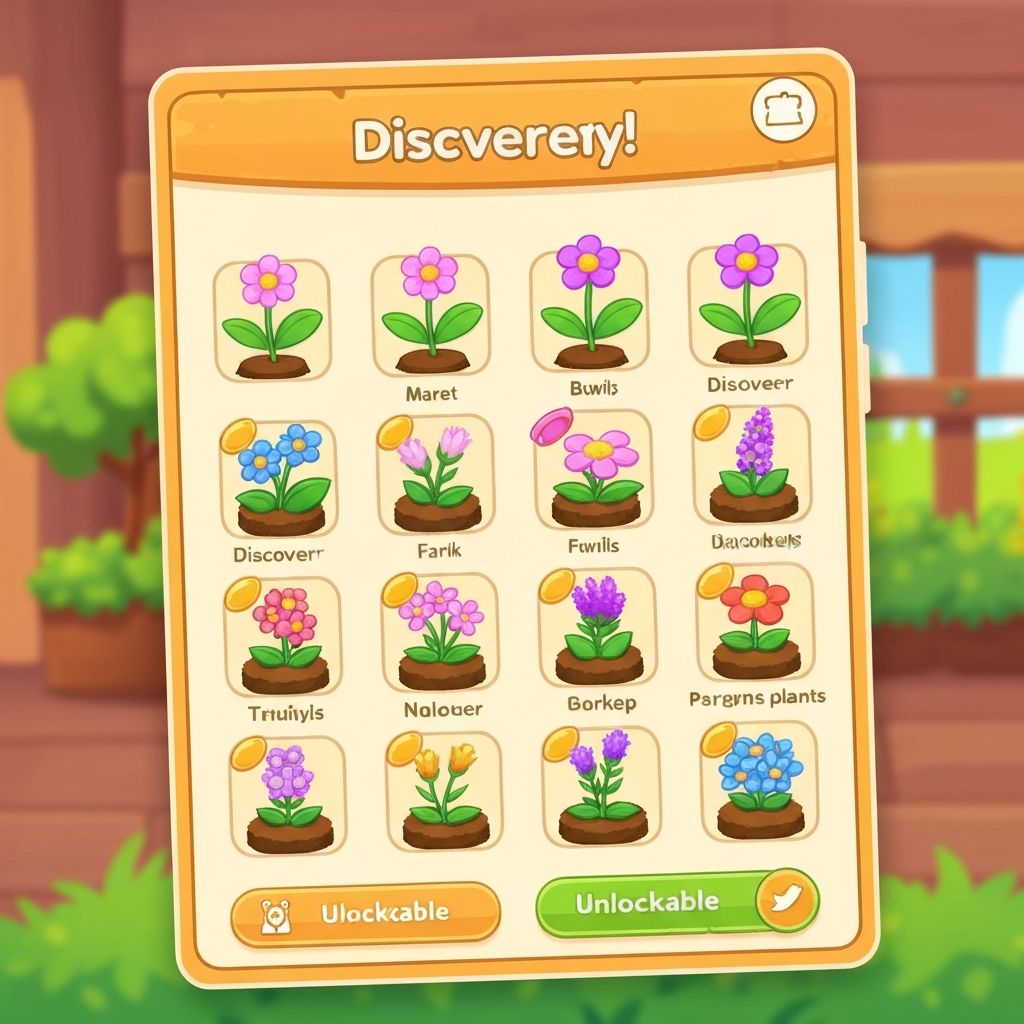
As players interact with existing elements, new elements gradually appear. Discovery happens naturally through continued play.
No special actions are required to unlock new content beyond regular interaction.
A typical session follows this general pattern:
Player opens the game and sees the current state of the garden. The appearance reflects previous interactions, showing progress from past sessions.
Player begins tapping on various elements to see their responses. Initial taps often focus on prominent or new elements.
Player explores different areas of the screen, discovering which elements are interactive and what responses they produce.
The garden changes based on interactions. New plants appear, colors shift, backgrounds transform. The scene becomes visibly different from the starting state.
Player closes the game when ready. There is no ending prompt or session completion indicator. Progress saves automatically.
Plants respond to taps with growth animations, color changes, or flowering effects. Different plant types have distinct animation patterns.
Some plants grow taller when tapped. Others spread sideways or change color. Each species has characteristic behavior.
Tapping on empty ground areas often reveals new seedlings or small plants. This provides a way to populate initially sparse areas.
Ground texture may also change, showing different soil types or ground cover as the garden develops.
Sky and background areas change to show different times of day or weather conditions. These shifts happen gradually rather than instantly.
Background changes affect the overall mood and appearance without altering the core garden elements.
Stones, paths, water features, and other decorative elements add visual variety. They respond to taps with subtle effects.
These objects help structure the visual composition and provide additional interaction points.
Yna Tap Garden does not include countdown timers, time limits, or time-based challenges. Players interact at their own pace without pressure.
The game also lacks competitive elements such as scores, leaderboards, or comparisons with other players. Each player's experience is independent and personal.
This design choice supports the goal of providing unstressful entertainment during brief breaks in daily routines.
Player opens the game for 30 seconds while having coffee. They tap a few elements, see some new growth, and close the app. The brief interaction provides a momentary diversion.
During a train ride, player spends 3 minutes exploring different areas of the garden. They discover several new plant types and watch various animations unfold.
While waiting for an appointment, player uses the game intermittently. They alternate between tapping and observing changes, filling the wait time without intense focus.
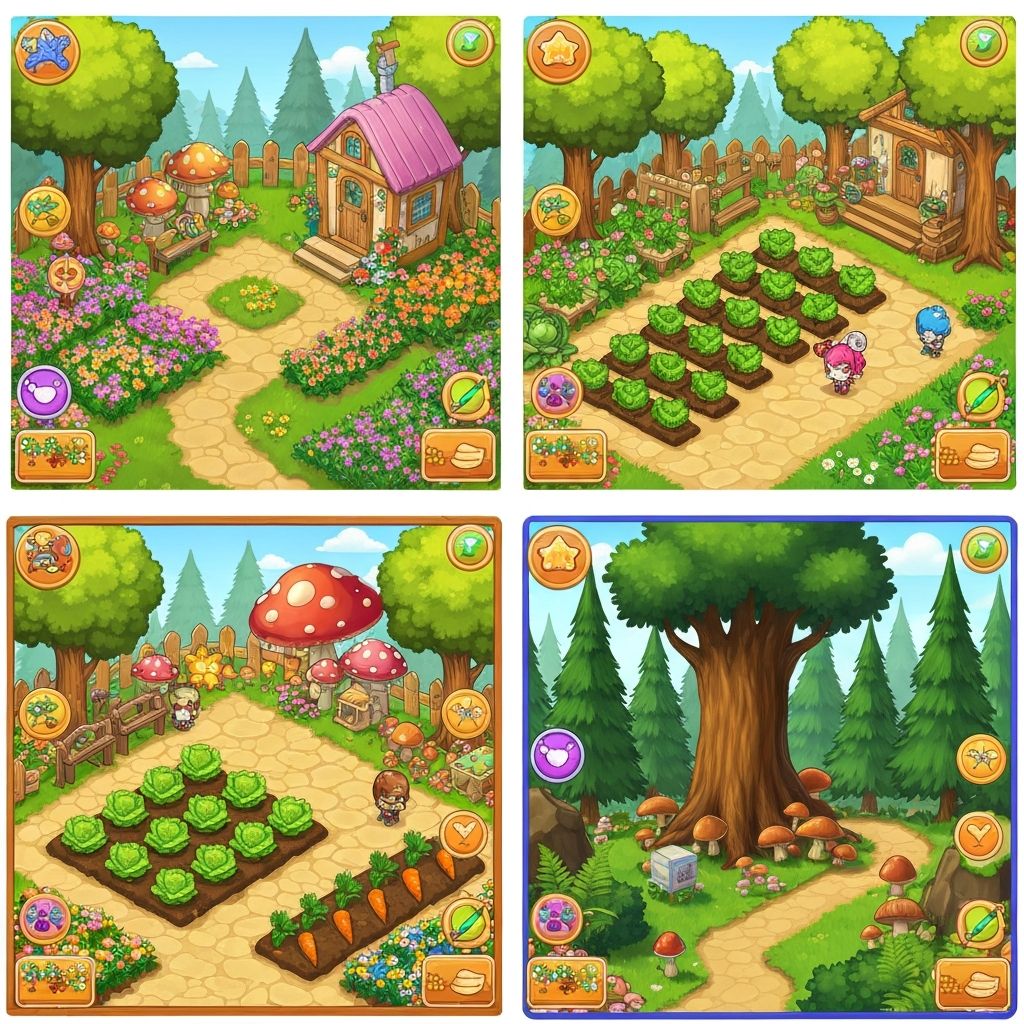
The garden appearance evolves based on accumulated interactions. Early sessions show a relatively simple scene with basic elements.
As players return over multiple sessions, the complexity increases. More plant varieties appear, the background shows more detail, and decorative elements add visual interest.
This gradual evolution provides a sense of progression without explicit goals or achievements. The garden becomes more developed naturally through regular play.
Different players' gardens develop differently based on their interaction patterns, creating personalized variations of the basic scene.