How It Works

Understanding the logic behind Yna Tap Garden

General Operating Principle

Yna Tap Garden operates on a simple cause-and-effect principle: player input produces visible output. Each tap on the screen triggers specific visual responses based on what was tapped and the current state of the garden.

The game maintains an internal representation of the garden state, tracking which elements exist, their current appearance, and their growth stages. When a player taps, the game updates this representation and displays the changes visually.

This straightforward system allows for easy understanding while still providing variety through different element types and combinations.

Player Interaction with Environment
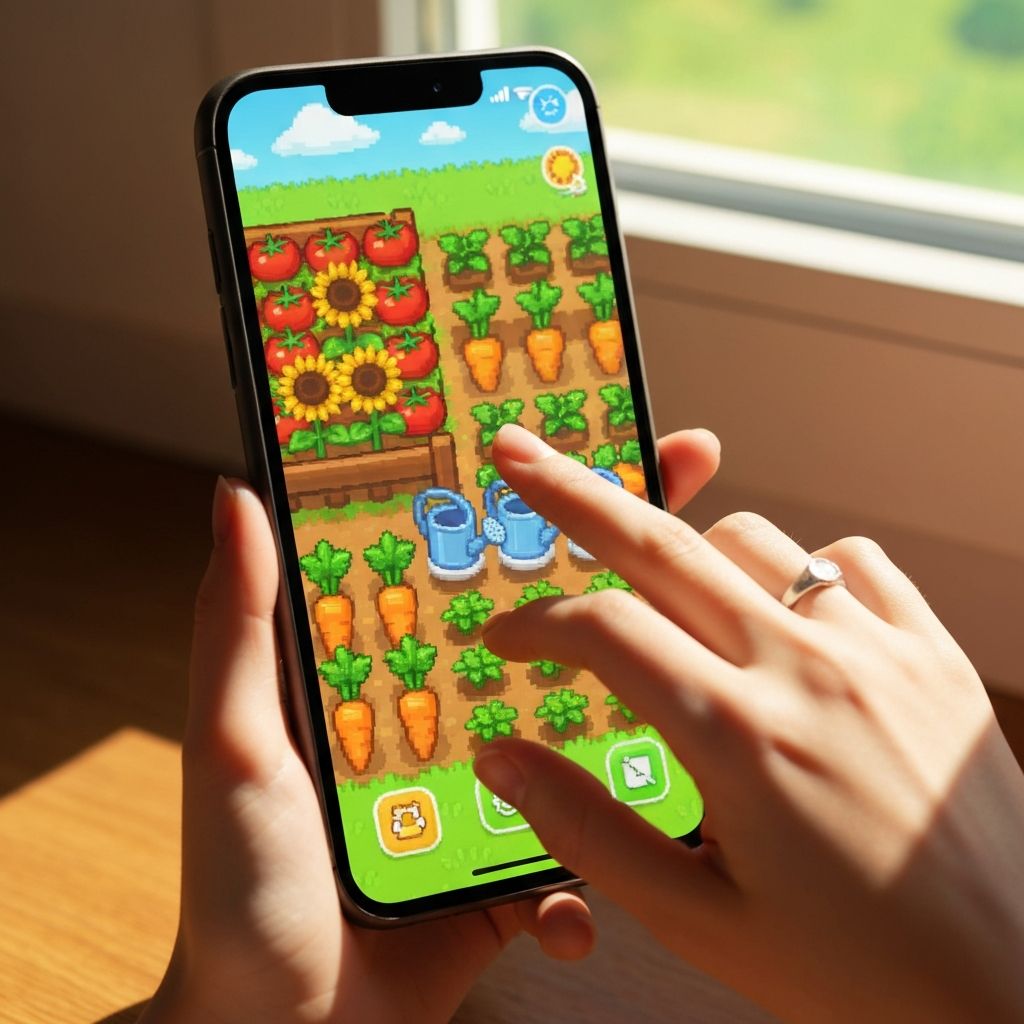
Input processing

Input Detection

When a player taps the screen, the game identifies which element occupies that screen position. Different elements have defined response behaviors.

The detection system accounts for element overlap and prioritizes foreground elements when multiple items occupy the same space.
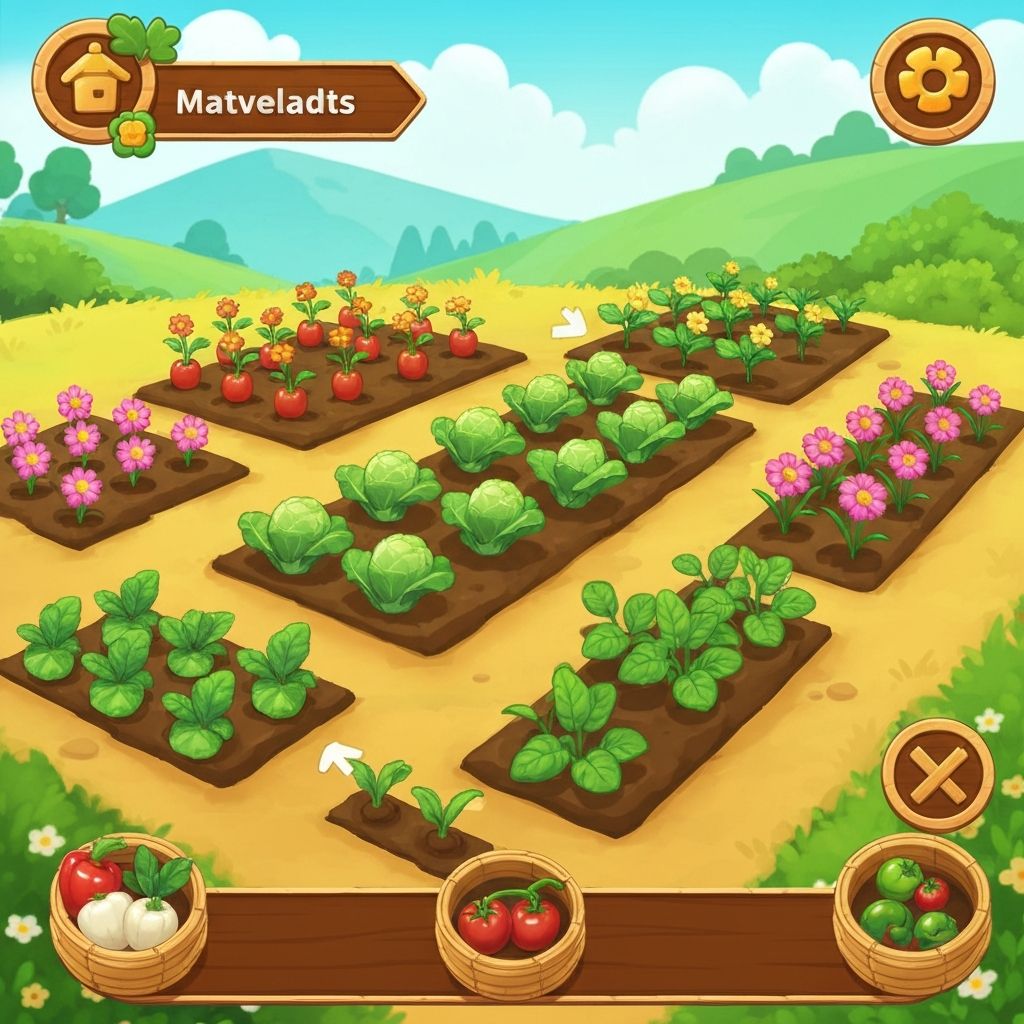
Response processing

Response Processing

Once the tapped element is identified, the game selects an appropriate response. This might be a growth animation, a color change, or the appearance of a new element nearby.

Response selection considers the element type, its current state, and what responses have recently occurred to maintain variety.
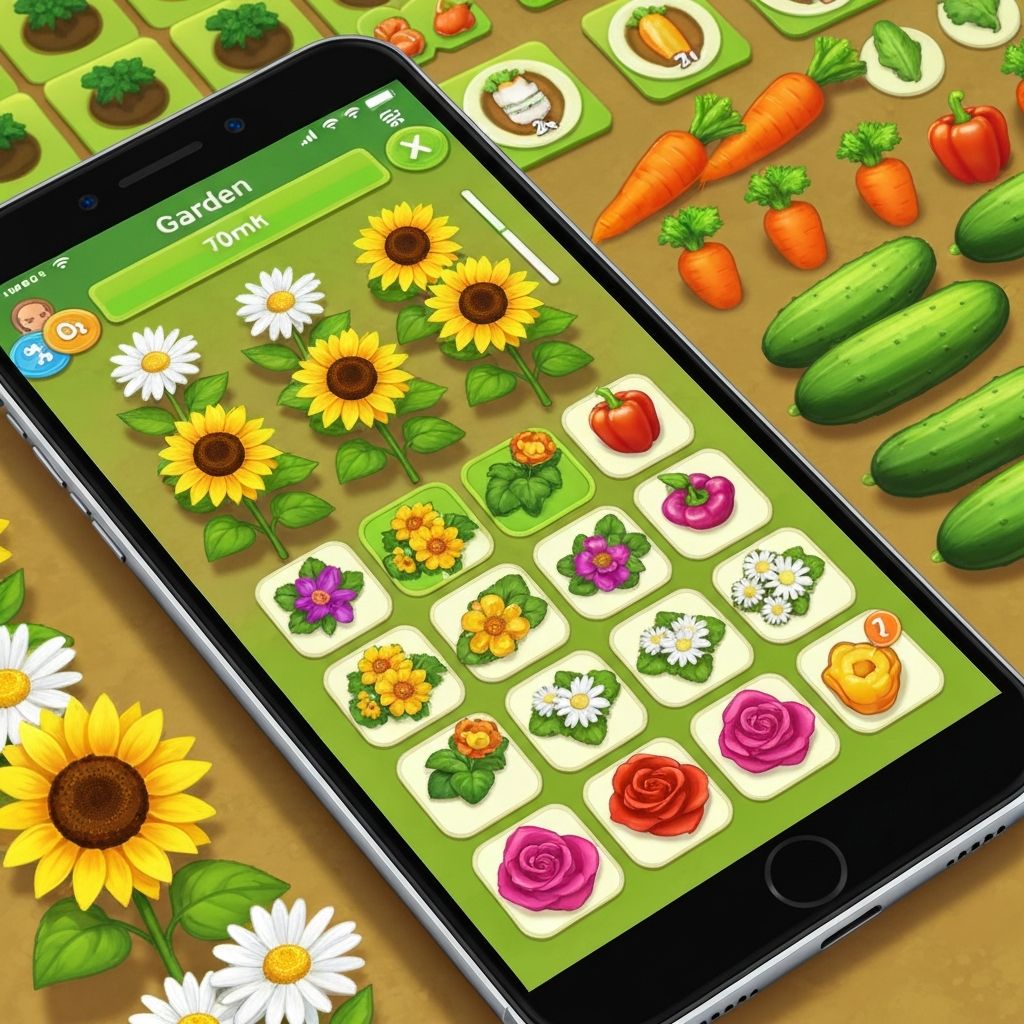
Visual display

Visual Display

The selected response plays as an animation. During the animation, the element's appearance changes from its previous state to its new state.

Animation duration is calibrated to be long enough to see clearly but short enough to maintain responsiveness for the next interaction.
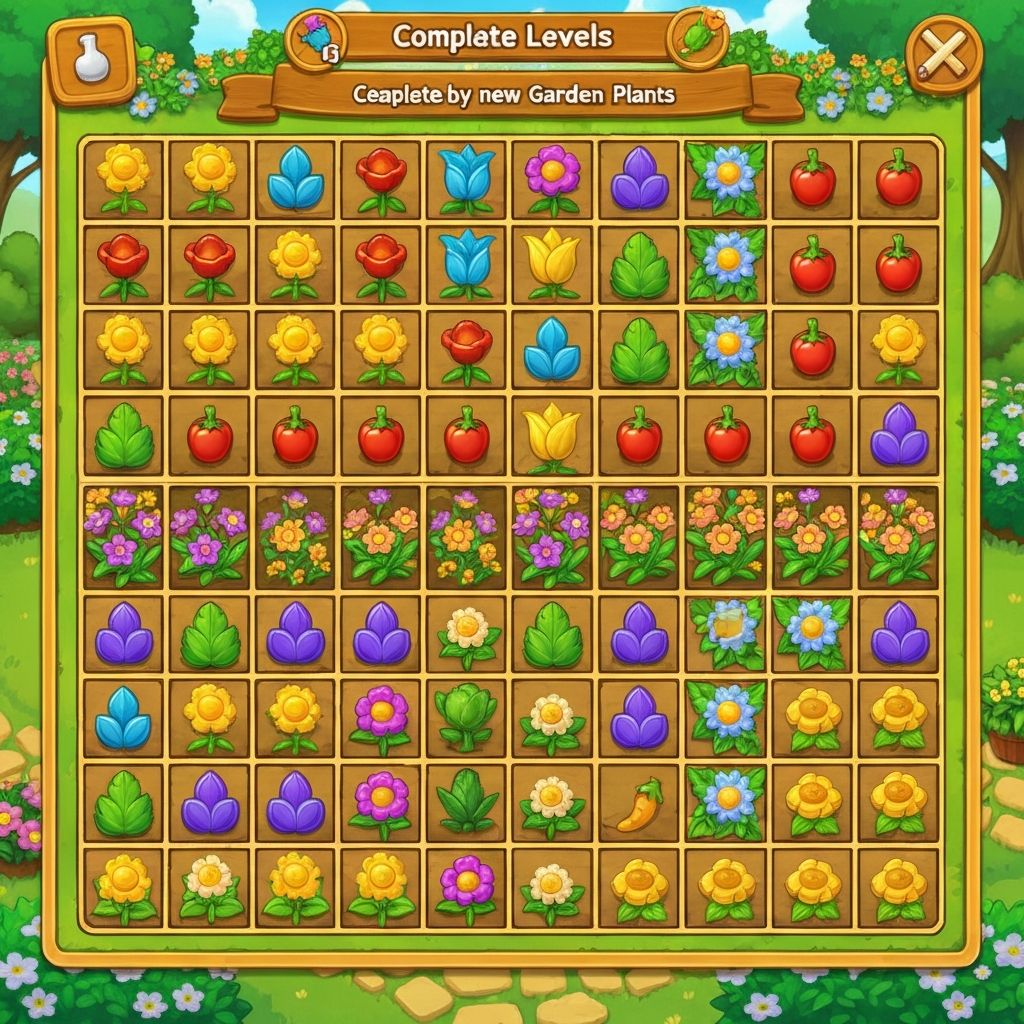
Sequence of Actions

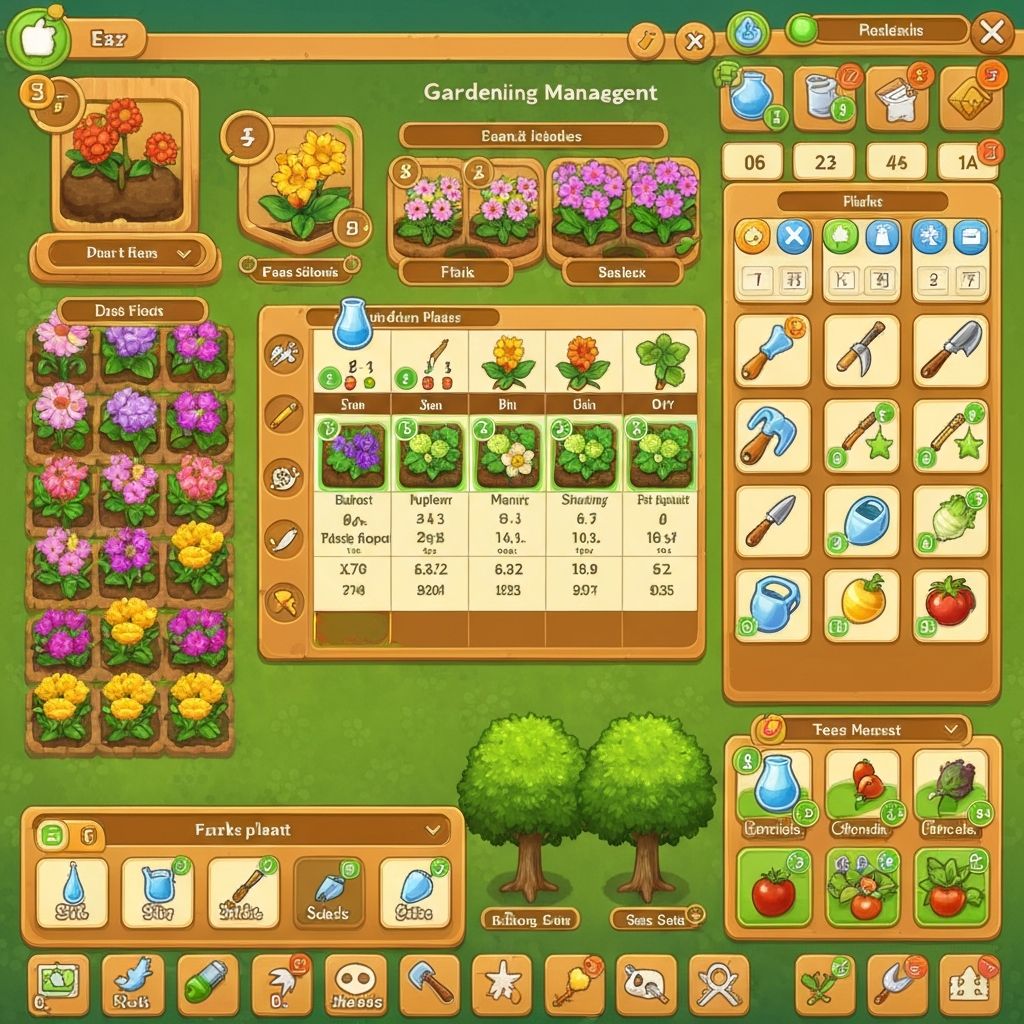
The interaction sequence follows these steps:

1

Player Taps Screen

The touchscreen registers the tap location. This input goes to the game's event handling system.

2

Element Identification

The game determines which visual element, if any, exists at the tap coordinates. Background areas count as valid elements.

3

State Check

The game checks the current state of the tapped element, including its appearance, growth level, and recent interaction history.

4

Response Selection

Based on element type and state, the game selects an appropriate visual response from available options for that element.

5

Animation Play

The selected animation plays, showing the transition from the previous state to the new state.

6

State Update

The element's state updates to reflect the change. This new state saves automatically and affects future interactions.

Repetition and variation

Repetition and Variability

While the basic interaction pattern remains constant, the specific outcomes vary. The same plant tapped multiple times may show different responses each time.

This variability comes from the game's response selection system, which chooses from multiple possible outcomes rather than always producing identical results.

The balance between repetition and variability provides familiarity while preventing complete predictability. Players know tapping will produce a response but don't know exactly which response until it happens.

This design maintains interest across multiple sessions by creating small surprises within a predictable framework.

How This Differs from Other Casual Games

No Score Accumulation

Unlike many casual games that track points or scores, Yna Tap Garden does not quantify player performance. There are no numbers to maximize or totals to increase.

This removes the comparison element and focus on optimization, creating a more observational experience.

No Level Progression

The game does not divide content into levels or stages that must be completed sequentially. All content exists within the same continuous garden space.

Players don't "complete" sections or advance through numbered progressions.

No Puzzle Solving

Unlike puzzle-based casual games, there are no problems to solve or correct sequences to discover. All interactions are valid, and none are "wrong."

This eliminates the trial-and-error process and potential frustration from incorrect attempts.

No Resource Management

Players do not collect, spend, or manage resources. There are no currencies, energy meters, or limited-use items.

The absence of resource systems removes strategic planning requirements and allows pure interaction focus.

System design

System Design Rationale

The interaction system is designed to be immediately understandable without explanation. The cause-and-effect relationship between tapping and visual response is direct and obvious.

By limiting interactions to a single gesture type, the game avoids the need for control instruction or gesture discovery. Every interactive moment uses the same basic input method.

The focus on visual changes rather than numerical feedback aligns with the observational nature of the experience. Players see results directly rather than interpreting scores or statistics.

These choices support the goal of creating immediately accessible entertainment that fits into brief time windows without requiring mental engagement beyond simple observation and interaction.

Technical Implementation

The game runs on mobile devices using standard mobile graphics capabilities. Visual rendering uses efficient techniques that work on mid-range hardware.

The save system writes garden state data to device storage after each change. This continuous saving prevents progress loss if the app closes unexpectedly.

Touch input processing uses the device's native touch event system, ensuring compatibility across different manufacturers and models.

All game logic runs locally on the device. No server communication is required, allowing offline functionality and protecting player privacy.